The CTO gap
Your startup has product-market fit, a growing engineering team, and architecture decisions that will define the next three years. But hiring a full-time CTO costs $200-400K annually, takes 3-6 months to find the right person, and you might not need that level of commitment yet. This is where a fractional CTO fits.
What a fractional CTO actually delivers
A fractional CTO isn't a consultant who writes a report and disappears. They embed into your team and own outcomes:
Architecture decisions: Technology stack selection, system design, scalability planning. The decisions that are expensive to reverse if made wrong.
Team building: Defining roles, writing job descriptions, conducting technical interviews, establishing engineering culture and processes.
Vendor evaluation: Cutting through sales pitches to assess whether a tool, platform, or service actually solves your problem.
Tech due diligence: For fundraising rounds, M&A, or partnership evaluations. Investors increasingly require technical assessments.
Process implementation: CI/CD pipelines, code review practices, incident response, and on-call rotation — the operational foundation that separates reliable products from fragile ones.
When you need one
The signals are consistent across companies:
Pre-Series A: You have developers but no technical leader. Architecture decisions are being made by whoever's loudest, not whoever's most experienced.
Post-founding team: Your technical co-founder left or shifted to product. The engineering team needs a technical north star.
Scaling phase: You're growing from 5 to 20 engineers and processes that worked with a small team are breaking.
Before major technical decisions: Cloud migration, platform rewrite, new product line — decisions where the cost of getting it wrong is measured in months and millions.
How engagements work
Two models dominate:
Monthly retainer: Typically 2-4 days per week, ongoing. Best for companies that need consistent technical leadership over months. Includes team meetings, architecture reviews, and async availability.
Project-based: Fixed scope, fixed timeline. Architecture audit, technology selection, or technical due diligence. Usually 2-6 weeks.
What to expect
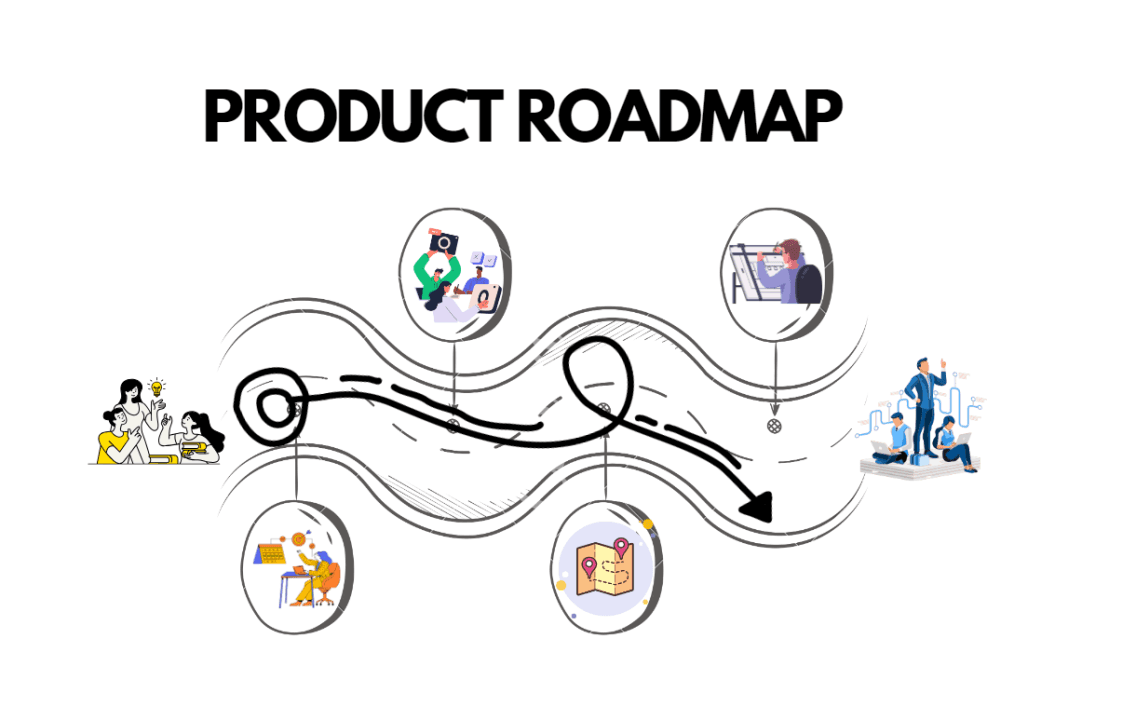
A good fractional CTO starts by listening. They audit your current architecture, understand your business constraints, talk to your engineers, and then build a technical roadmap that aligns with your business goals. They don't impose a new stack because it's trendy — they make pragmatic decisions that your team can actually execute.
The goal is to make themselves unnecessary. A fractional CTO should build the systems, processes, and team capabilities that eventually justify hiring a full-time technical leader — and help you find that person when the time is right.
Follow me to keep in touch
Where I share my creative journey, design experiments, and industry thoughts.